
Onion
Onion
Onion
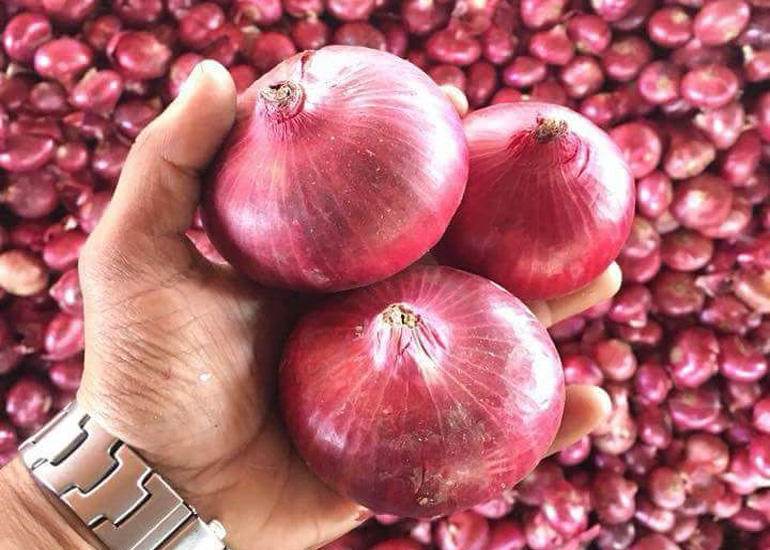
Onions (Allium cepa) are one of the most widely cultivated and consumed vegetables in the world, known for their strong, pungent aroma and unique flavor. These bulbs are members of the Allium family, which also includes garlic, leeks, and chives. Onions are typically grown in temperate climates, where they are harvested at different stages—green onions (or scallions) are harvested early, while mature onions are left to grow and cure in the field for longer periods. Their skins range in color from golden yellow, red, to white, and each variety has its own distinct flavor profile, from sweet and mild to sharp and spicy. Rich in antioxidants like quercetin, onions have been shown to possess anti-inflammatory and immune-boosting properties. Onions are also a rich source of sulfur compounds, particularly in their raw state, which are believed to have antimicrobial properties and may support heart health by improving cholesterol levels.
The intense, often tear-inducing, effect of chopping onions is caused by the release of sulfuric compounds that react with the moisture in our eyes, leading to irritation. Despite this, onions have been used for centuries in both culinary and medicinal applications. In cooking, onions are prized for their versatility, as they can be sautéed, caramelized, pickled, or used raw in salads, adding depth of flavor to a wide range of dishes. Their natural sweetness and ability to balance savory and acidic elements make them a cornerstone ingredient in many global cuisines.